Wearable Trackers With Blood Oxygen Monitoring: SpO2 Features and Limitations
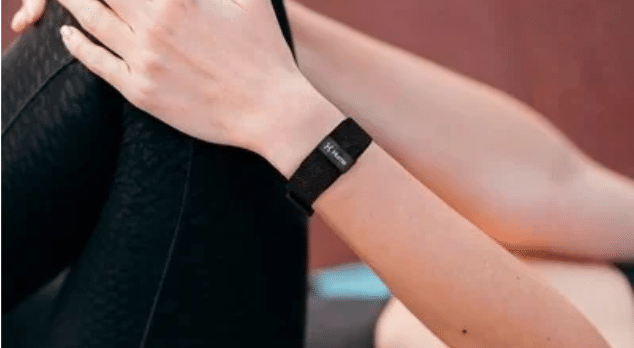
Canadians exploring wearable trackers with blood oxygen monitoring gain valuable daily insights into respiratory wellness, altitude adaptation, and overnight recovery. From high-altitude hikes in Banff to winter sleep tracking in Toronto, modern SpO2 fitness trackers measure arterial oxygen saturation right from your wrist, turning oxygen monitoring wristbands into practical wellness tools for everyday recovery awareness across Canada today.
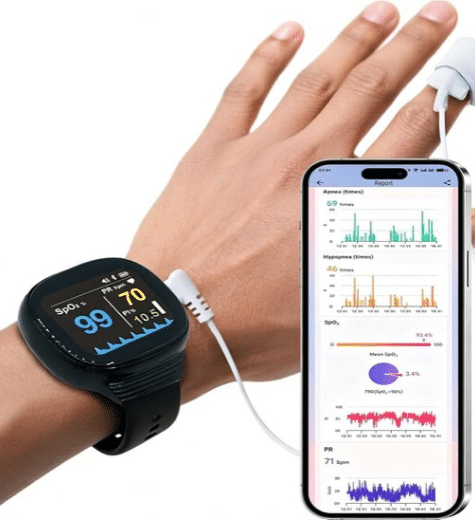
Monitor baseline blood oxygen saturation trends during sleep without intrusive finger clips.
Optical Sensor Technology
Ratiometric pulse oximetry uses red and infrared light to estimate oxygen levels.
How Do Wearable Blood Oxygen Sensors Work on Modern Wristbands?
Built-in wearable blood oxygen sensors shine red and infrared optical wavelengths into wrist capillaries, measuring light absorption differences between oxygenated and deoxygenated hemoglobin during rest.
Track Overnight SpO2 Trends During Rest
Continuous nighttime monitoring captures subtle breathing fluctuations, sleep quality shifts, and overnight recovery baselines while your wrist stays completely still, delivering cleaner optical readings than daytime movement periods.
Canadians traveling to mountain destinations in Alberta or British Columbia can observe how elevation changes and cold dry air temporarily influence resting oxygen saturation and daytime physical strain.
Combining overnight blood oxygen readings with resting heart rate, respiratory rate, and heart rate variability inside a unified health app helps identify early signs of fatigue or overtraining.
Understanding Key Accuracy Limitations of Wrist-Based SpO2 Fitness Trackers
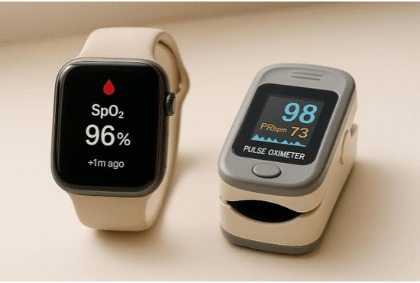
While modern oxygen monitoring wristbands offer convenient wellness tracking, wrist-based optical sensors face physiological constraints compared to clinical fingertip pulse oximeters. Cold Canadian temperatures reduce peripheral wrist blood flow, while loose strap placement, intense arm motion, skin pigmentation, and tattoos can scatter optical light signals. Therefore, SpO2 fitness trackers are best used for observing long-term overnight SpO2 trends rather than acute medical diagnosis.
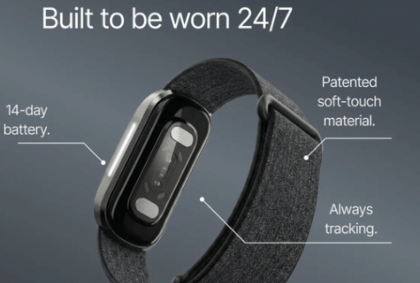
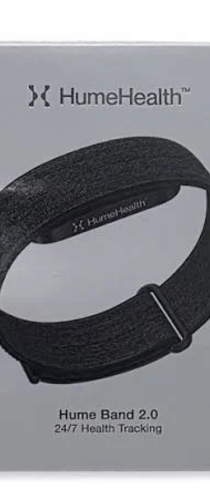
Choosing wearable trackers with blood oxygen monitoring gives Canadians a practical window into overnight recovery, respiratory consistency, and environmental adaptation without disrupting sleep. While optical wearable blood oxygen sensors cannot replace medical-grade fingertip oximeters during acute illness or cold-weather circulation drops, tracking overnight SpO2 trends alongside heart rate variability and skin temperature reveals meaningful patterns over time. Whether you select the screenless Hume Band 2.0 for continuous ratiometric SpO2 tracking, pair it with the Hume Body Pod, or adopt the full Hume Health ecosystem, reliable oxygen monitoring wristbands empower smarter daily wellness decisions across Canada.