Choosing a wearable fitness tracker for sleep and stress means looking past step counts toward recovery signals. This review of the Hume Band 2.0 covers what it records overnight, how its app explains the data, what reviewers say, and where its limits sit, giving a balanced, practical picture before anyone commits to buying.
A wearable fitness tracker for sleep and stress works quietly, using optical sensors to log heart rate, blood oxygen, and skin temperature overnight, then turning signals into clear morning insights.
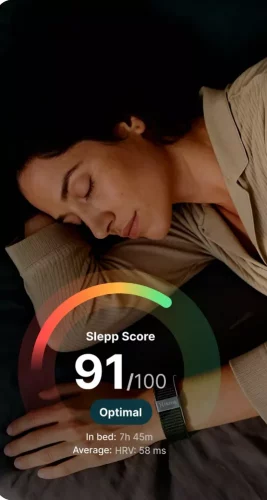
Four Sleep Stages Tracked Through Every Night
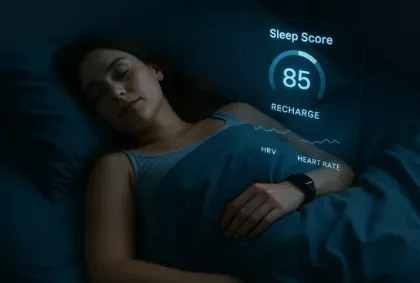
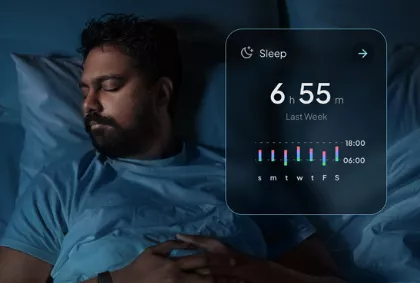
Light, deep, REM, and awake periods are recorded, alongside sleep quality and efficiency, so mornings start with a clear read on how rest actually went.
A patented algorithm turns sleep stages into a score that shows how well the body rebuilt overnight, making week-to-week comparisons simple and easy to follow.
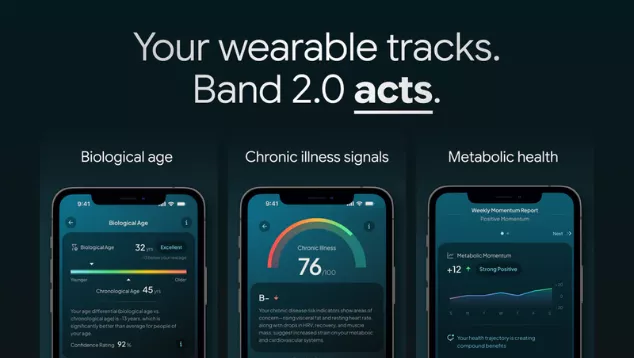
A wearable fitness tracker for sleep and stress needs more than a heart rate number. Heart rate variability, the small timing differences between heartbeats, is used as a recovery indicator, and tracking its trend over weeks beats any single reading. The Hume Band 2.0 pairs HRV with strain, recovery, and skin temperature, so stress shows up as patterns, not guesses.
HRV Trends Build Over Time
Heart resilience readings gradually build into trend lines showing whether recovery is improving or slipping.
How Well Stress Is Handled
Metabolic Capacity estimates how well the body converts energy, handles stress, and recovers each night.
A wearable fitness tracker for sleep and stress earns its place only when extra sensors reveal something useful beyond step counting, as these features show.
Blood Oxygen Readings
SpO2 is tracked continuously, day and night, by the sensors.
Skin Temperature Trends
Skin temperature changes add context to recovery and early-warning signals.
Continuous heart rate monitoring around the clock.
Activity levels and movement patterns logged automatically.
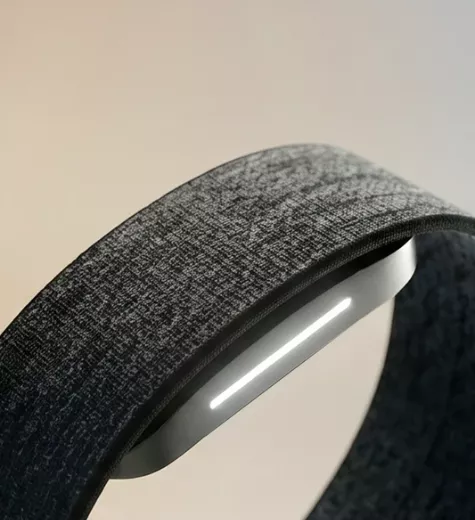
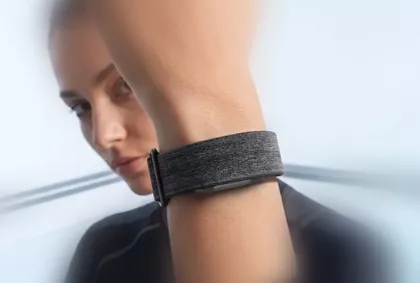
The Hume Band 2.0 combines sleep analysis, HRV, heart rate, and recovery tracking in one wearable. A wearable fitness tracker for sleep and stress becomes more useful when its measurements help users understand daily patterns and make informed routine adjustments.
A wearable fitness tracker for sleep and stress is only as useful as the habits it encourages, and the Hume Band 2.0 builds its case on overnight stages, HRV trends, strain, and recovery in a strap comfortable for sleeping. Reviewers highlight comfort, clear app breakdowns, and routine tweaks that lifted energy, while the limits are indirect stress inference, trend-based blood pressure, and paid AI coaching. HumeHealth offers a 45-day refund window, lowering the risk of trying it. People wanting medical answers should consult a clinician, but for anyone curious about rest and recovery patterns, it offers a practical starting point.