Muscle Balance Measurement at Home: Understanding Segmental Body Scans
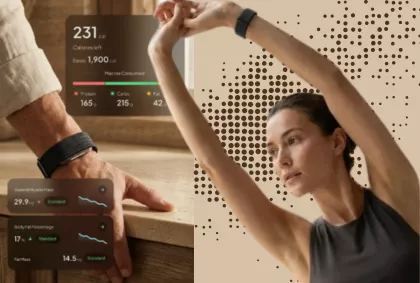
Understanding muscle distribution can provide useful insights into physical fitness and overall body composition. Muscle balance measurement at home makes it easier to explore differences between body regions, track changes, and understand how training routines influence muscle development through accessible body composition monitoring technology.
Discover how segmental body scans help measure estimated muscle mass across different body regions and identify potential differences between limbs.
Monitor Left-Right Muscle Balance
Explore how comparing measurements from both sides of the body provides useful insights into muscle distribution, symmetry, and changing fitness patterns.
Understanding Segmental Body Scans
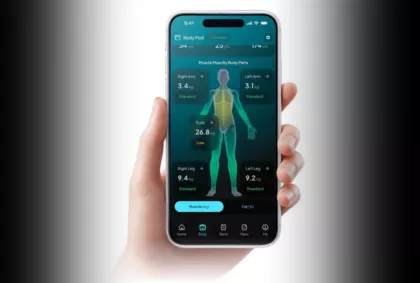
Segmental body scans offer more detailed information than conventional weight measurements. By examining estimated muscle distribution across different body regions, users can better understand their physical composition, identify potential imbalances, and monitor changes in their fitness progress.
Left-Right Muscle Balance
Left-right muscle balance involves comparing estimated muscle mass between corresponding body parts, such as the arms and legs. Differences in measurements may reflect variations in training habits, physical activity, or natural body composition. Observing these measurements over time helps users recognise personal trends and understand how their exercise routines relate to muscle development.
Body symmetry analysis provides information about how muscle mass is distributed across different sections of the body. Comparing measurements from the left and right sides can help individuals identify differences between corresponding limbs. These insights encourage greater awareness of muscle distribution and help users understand whether their training routines address both sides of the body consistently.
Tracking estimated muscle mass in individual limbs helps users understand changes in their arms and legs over time. Segmental body measurements provide a more detailed perspective than an overall muscle mass reading. Reviewing these insights makes it easier to recognise progress, compare different body regions, and understand how strength training and everyday activity may influence muscle development.
Understanding the Benefits of Muscle Balance Measurement
Segmental body composition technology makes personal muscle distribution information easier to access and review. Instead of relying entirely on overall body weight or appearance, users can explore estimated measurements and understand how their exercise habits may influence muscle development across different body regions.
Better Muscle Awareness
Consistent segmental tracking helps you recognise differences in muscle distribution and understand how your training routines influence overall body composition. Over time, you can also identify changes in estimated limb muscle mass and left-right balance that general measurements might not reveal.
More Informed Training Choices
Observed muscle distribution patterns make it easier to evaluate your exercise routine and consider whether both sides of your body receive balanced attention. By reviewing your measurements regularly, you can make more informed training adjustments and build healthier fitness habits that last.
Exploring Home Segmental Body Analysis
Home segmental body analysis focuses on helping individuals understand their bodies through accessible composition measurements. Connected monitoring technology can support greater awareness of personal muscle distribution trends and encourage users to pay attention to changes in their training routines.
Segmental measurements become more useful when reviewed consistently.
Comparing information across multiple scans can help recognise patterns.
Explore estimated muscle distribution through connected monitoring tools.
Review limb measurements to understand changing muscle patterns.
Use consistent tracking to support better fitness awareness.
Consider long-term trends instead of individual segmental readings.
Three Important Areas to Compare
When evaluating muscle balance measurement at home, consider the body regions covered, how clearly measurements identify muscle distribution, and whether the tracking features support your personal fitness goals.
Left-Right Muscle Measurements
Understand how effectively a device compares estimated muscle mass between corresponding body regions.
Check whether separate arm measurements are available.
Compare estimated muscle measurements for both legs.
Review differences between left and right body regions.
Look for clear summaries of muscle distribution patterns.
Muscle balance measurement at home can encourage a more informed approach to personal fitness and wellbeing. By reviewing segmental body measurements and available muscle distribution insights, users can recognise training patterns, evaluate exercise routines, and develop greater awareness of their body’s changing needs. Understanding muscle distribution can make fitness tracking more meaningful. Home segmental body analysis offers an opportunity to explore estimated muscle mass, left-right balance, and limb development through one connected experience. By comparing available measurements and reviewing consistent patterns, users can make more informed training choices while remembering that body composition readings complement, rather than replace, professional fitness or medical assessments.