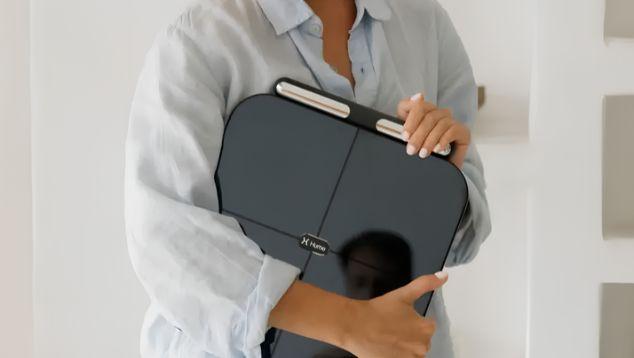
Full-Body Analysis Scales for Home: Handles, Sensors and Features Explained
Understanding your body composition can provide useful insights beyond simply tracking weight. Full body analysis scales for home use advanced sensors, measurement technology, and hand-held handles to assess different body areas. These devices help users explore body composition, monitor changes, and make informed decisions about their fitness and overall wellness through convenient home-based tracking.
Discover how full-body analysis scales use sensors and hand-held electrodes to measure different body areas and provide more detailed composition insights.
Understand Handles and Sensors
Explore how handle-based technology and strategically positioned sensors contribute to body composition measurements and segmental analysis.
Full-Body Analysis Scale Features Explained
Full-body analysis scales offer more detailed measurements than conventional weighing scales. By examining different body composition indicators, users can better understand their muscle distribution, body fat estimates, and overall physical composition.
Hand-to-Foot Body Composition Analysis
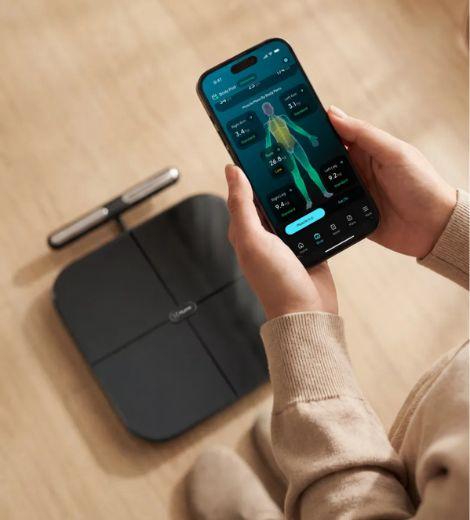
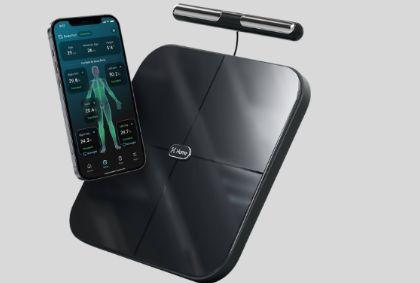
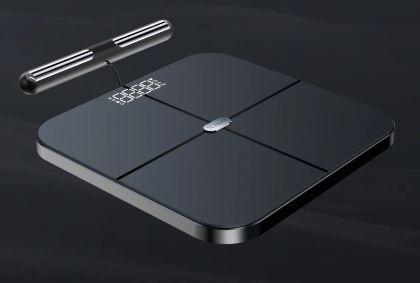
Hand-to-foot body fat scales use electrodes positioned on the weighing platform and hand-held handles to measure body composition across multiple sections. This measurement approach allows electrical signals to travel through different body pathways, providing estimates of body fat and other composition indicators. Comparing these measurements over time helps users understand changes in their overall body composition.
Full-body composition analysers use bioelectrical impedance analysis (BIA) to estimate body composition. Sensors send a low-level electrical current through the body and measure the resulting impedance. Different tissues conduct electricity differently, allowing the device to estimate measurements such as body fat and muscle mass. Results can vary depending on hydration, food intake, and other factors.
Home segmental body analysis helps users explore estimated composition across different body regions, including the arms, legs, and trunk. These measurements provide a more detailed perspective than a single overall body fat reading. Reviewing segmental results over time can help users recognise changes in muscle distribution, understand body symmetry, and monitor their fitness progress.
Full-body weighing technology makes personal body composition information easier to access and review. Instead of relying entirely on changes in body weight, users can explore additional measurements and understand how their muscle mass, body fat, and other composition indicators may change over time.
More Detailed Body Awareness
Consistent body composition tracking helps you recognise changes in different body regions and understand how your fitness routine influences overall measurements. Over time, you can also identify changes in estimated muscle distribution and body fat that a conventional weighing scale might not reveal.
More Informed Fitness Choices
Observed body composition trends make it easier to evaluate your exercise routine and balance strength training with appropriate recovery. By reviewing your measurements regularly, you can better understand your progress and build healthier fitness habits that last.
Exploring Full-Body Analysis Scale Features
Full-body analysis scales for home use combine weighing platforms, hand-held handles, and multiple sensors to provide additional body composition insights. Their monitoring features can support greater awareness of personal fitness trends and encourage users to pay attention to changes in their body measurements.
Body composition measurements become more useful when reviewed consistently.
Comparing information across multiple readings can help individuals recognise patterns rather than focusing on isolated results.
Explore body composition trends through connected monitoring tools.
Review segmental measurements to understand estimated muscle distribution.
Use consistent tracking to support better fitness awareness.
Consider long-term patterns instead of individual body composition readings.
Three Important Areas to Compare
When evaluating body scan weighing scales, consider the measurement technology they use, how effectively they assess different body regions, and whether their features support your personal fitness goals.
Handles and Electrode Design
Understand how effectively a scale uses hand-held handles and foot electrodes to measure body composition across different sections.
Check whether the device includes integrated hand-held handles.
Compare hand-to-foot measurement capabilities.
Review electrode positioning and contact requirements.
Look for comfortable handles and an easy-to-use design.
Full-body analysis scales for home use can encourage a more informed approach to personal fitness and wellbeing. By reviewing body composition measurements and available segmental insights, users can recognise lifestyle trends, evaluate exercise routines, and develop greater awareness of their body’s changing needs. Understanding body composition can make fitness tracking more meaningful. Full-body composition analysers offer an opportunity to explore body fat estimates, muscle distribution, and personal progress through one connected experience. By comparing available measurements and reviewing consistent patterns, users can make more informed fitness choices while remembering that BIA-based readings complement, rather than replace, professional medical assessments.