Hume Smart Scales for Fitness Progress: Choosing Between Pod Models
Wondering which Hume smart scale for fitness progress makes more sense? This breakdown compares the Hume Pod 1.0 and Pod 2.0, covering body composition measurements, sensor upgrades, app features, and subscription costs. From tracking muscle growth to understanding body fat changes, discover what each model offers and whether upgrading is worth it. Expect a straightforward comparison rather than a sales pitch, so you can choose based on your fitness goals.
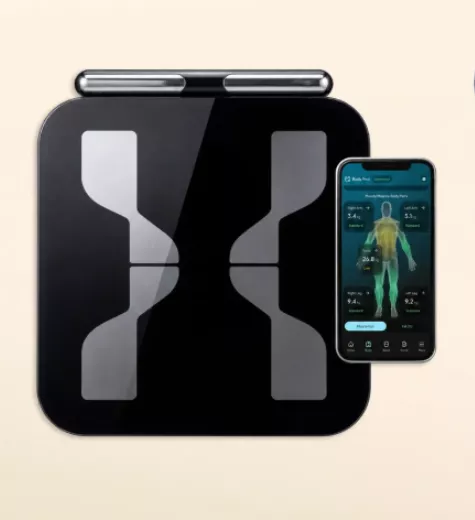
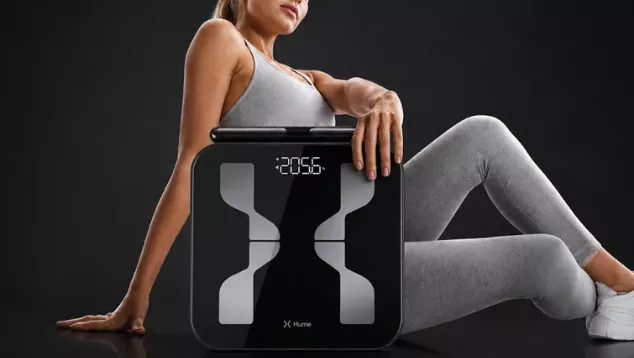
Eight hand and foot sensors measure body composition across your arms, legs, and torso.
Free Core Tracking
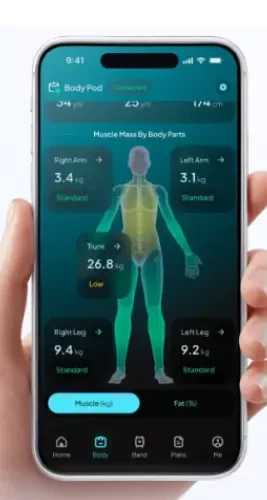
The Hume Health app provides essential body composition data without requiring a subscription.
Hume Pod Models Compared: Where The Differences Actually Matter
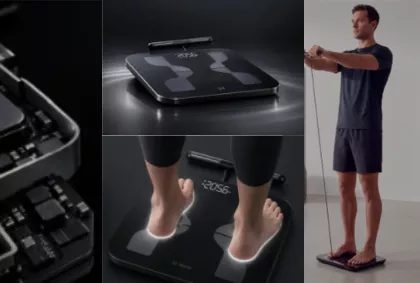
The Hume Pod 1.0 and Hume Pod 2.0 both offer detailed body composition tracking, but the newer model introduces hardware improvements. Pod 2.0 features solid metal sensors, contact checks, upgraded signal processing, and shielded internal components. Both models retain the hand-to-foot scanning experience and free core app tracking.
Pod 1.0: Essential Body Composition Tracking
The original Hume fitness scale offers body composition measurements through its hand-to-foot sensor system. It tracks fat, muscle, water, and other health indicators, making it a useful starting point for people who want more than conventional weight readings.
The newer model introduces six hardware and design improvements, including solid metal foot sensors, contact validation, and internal shielding. These changes are designed to improve measurement consistency while keeping the familiar scanning process.
Both models work with the free Hume Health app, allowing users to access essential body composition measurements and monitor progress. Optional Hume Plus adds personalised coaching, nutrition guidance, and deeper health reports.
Hume Pod Specifications Worth Reading Before Choosing
Before selecting a Hume smart scale for fitness progress, it helps to understand what each model measures and how the scanning process works. Both versions use eight hand and foot sensors to assess different body segments, rather than relying exclusively on measurements from the feet. The three details below explain the technology, tracking experience, and practical differences worth considering before purchasing.
Eight Sensors For Full-Body Measurements
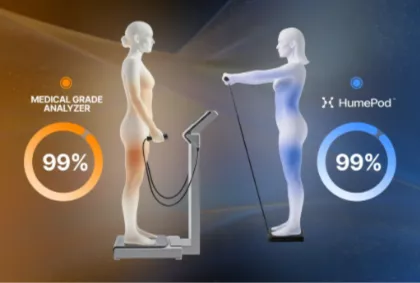
Both models use hand-to-foot scanning to provide segmental readings for the arms, legs, and torso, alongside overall body composition measurements.
Pod 2.0's Improved Sensor Contact
Solid metal sensors, foot-contact checks, upgraded signal processing, and shielded components distinguish Pod 2.0 from its predecessor.
Hume Pod Body Composition: Answers, Not Just Numbers
A Hume smart scale for fitness progress offers more than a daily weight reading. Its body composition analysis helps users understand changes in fat, muscle, water, and other measurements, making it useful for monitoring fitness routines over time.
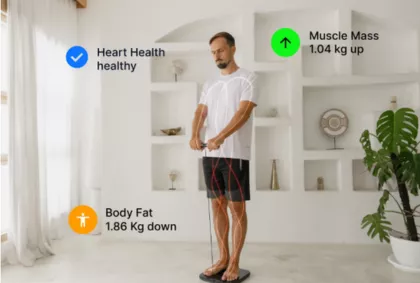
Shows whether training progress involves muscle development or changes in body fat.
Helps distinguish weight fluctuations from longer-term body composition trends.
Body fat measurements help monitor fat-loss progress.
Segmental muscle readings cover arms, legs, and torso.
Water measurements help interpret hydration changes.
Visceral fat tracking provides additional health insights.
Hume Health Fitness Scales: Loved, Limited, Or Both?
Understanding the Hume Pod features means looking beyond the measurement list. Hardware improvements, app accessibility, and the limitations of body composition technology all matter when deciding which model deserves a place in your fitness routine.
The Hume smart scale for fitness progress comes down to whether you prefer essential body composition tracking or upgraded measurement hardware. The Hume Pod 1.0 remains a practical option for monitoring muscle, fat, and water changes, while Pod 2.0 adds solid metal sensors, contact checks, and improved signal processing. Both provide segmental measurements and free core app access without a mandatory subscription. For anyone starting a fitness journey, Pod 1.0 offers the essential tracking experience. However, people prioritising updated sensor technology and measurement consistency may find Pod 2.0 worth the upgrade. Neither should replace professional medical assessments, but both can help make everyday training decisions more informed.