Ladies and gentlemen, welcome to the weigh-in, except this bout involves two smart scales rather than sweaty heavyweights. One side offers streamlined basics, while the other delivers deeper body composition detail. Before choosing a champion, we compare sensors, metrics, apps, warranties, and real value, because the cheapest scale and the best scale are not always roommates, and your bathroom floor deserves an informed decision, not merely a casual coin toss.
Both scales use bioelectrical impedance, sending a low-level current through your body, but the route differs. More electrodes mean more paths, and more paths mean richer, less guessed estimates overall.
Foot-To-Foot Design
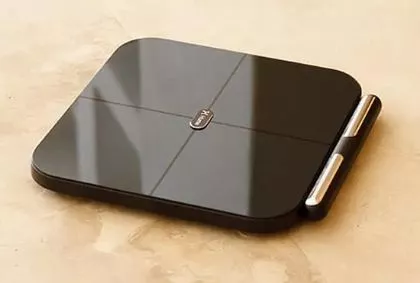
RENPHO’s popular, affordable Elis 1 uses four foot-to-foot electrodes beneath tempered glass, measuring thirteen body metrics, which suits quick daily weight and trend checks, though arms and trunk are generally estimated rather than measured separately.
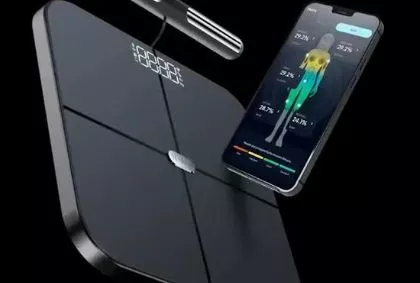
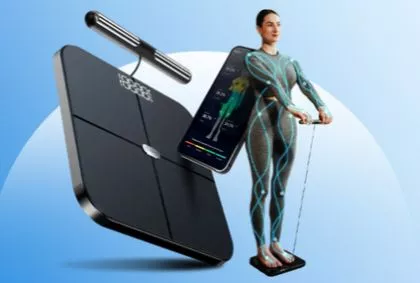
Hume Health’s Pod 2.0 uses eight hand and foot sensors, scanning arms, trunk, and legs separately, and a Socotech study cited by its maker places body fat within two percent of DEXA, reassuring careful shoppers.
Whichever scale you choose, barefoot placement, consistent timing, and stable hydration influence results, and Pod 2.0 adds a contact check before scanning, helping confirm your feet are touching sensors properly before the numbers get recorded.
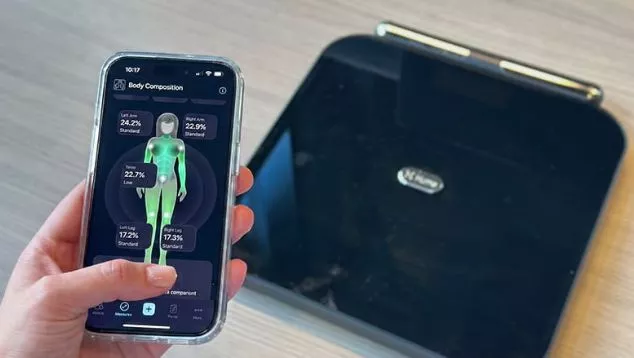
Metric counts sound like bragging, yet they shape what you can learn. Thirteen metrics cover weight, BMI, body fat, muscle, water, bone, protein, visceral fat, and metabolic age. Forty-five adds segmental fat and muscle, water balance, and left-right limb flags. Useful if you train unevenly, recover from injury, or just enjoy knowing which leg is secretly the lazy one, apparently.
Pod 2.0 Depth
Forty-five metrics include segmental fat, muscle, water balance, visceral fat, bone, and heart health insights.
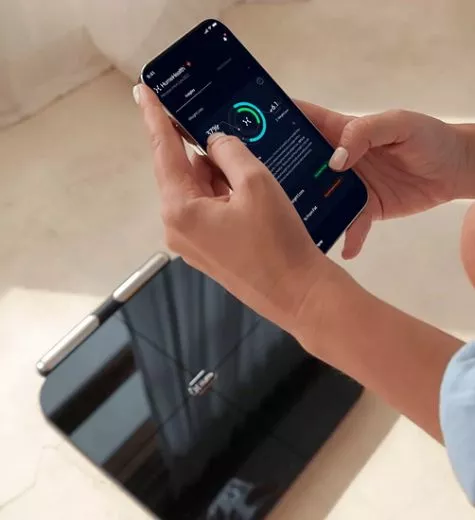
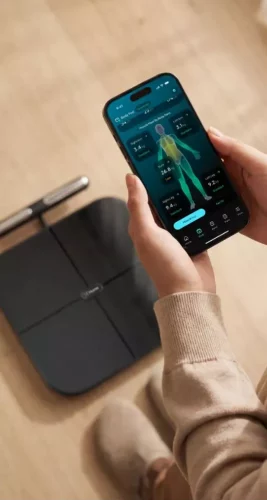
Features should earn counter space. Hume Health’s scale adds a full ecosystem: Apple Health and Google Fit sync, multiple accounts, a free app, and optional coaching. RENPHO also pairs by Bluetooth, but complete ecosystems matter far more than spec sheets.
Pod 2.0 listed at $249 versus $383 during Black Friday, a hefty saving; verify pricing.
RENPHO’s Elis 1 costs far less, but MorphoScan Nova’s €190 price shows depth costs money.
Pod 2.0 includes a forty-five-day home trial.
Optional ten-year warranty protects your Pod investment.
Elis 1 suits tight budgets and beginners.
Always check return policies before buying either.
Pick RENPHO’s Elis 1 only if inexpensive weight trends satisfy you. Pick Hume Health if you want segmental detail, forty-five metrics, a trial, and an optional decade of coverage. Serious trackers rarely regret choosing depth over simplicity once habits form.
Round One: Sensors
Electrode count decides how much your scale measures versus how much it guesses.
Choosing between these scales comes down to how much you want to know. If you only need an inexpensive way to watch weight and body-fat trends, RENPHO’s Elis 1 does a perfectly reasonable job. If you want segmental scanning, forty-five metrics, and a generous forty-five-day trial, Hume Health’s Pod 2.0 is the stronger overall buy, particularly when sale pricing narrows the gap. Whichever you pick, scan consistently, ignore daily noise, and let weekly trends guide your decisions. Remember that home bioimpedance scales estimate, they do not diagnose, so discuss concerning results with a professional. Before checking out, verify current prices, return terms, and warranty options, because deals expire and fine print doesn’t. Step on, stay curious, and enjoy the data.