Gyms love numbers, yet the scale on the lobby floor only knows one: total weight. Members deserve more than a shrug and a pat on the back. Body composition equipment separates fat, muscle, and water, turning vague progress into proof. This guide explores key features, client assessment workflows, and the buying questions that protect your budget, your trainers’ time, and your members’ trust, before anything gets bolted to the floor.
Retention rises when members see progress. Body composition data gives trainers honest conversations, gives members motivation beyond mirrors, and gives owners a premium service without clinical-level prices or waiting rooms.
Segmental Measurement Matters
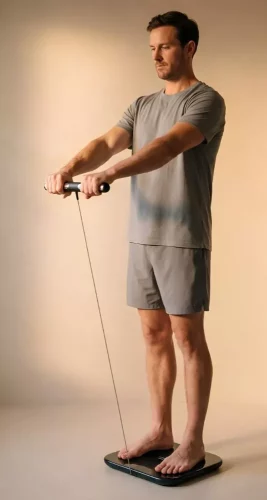
Segmental analysis scans arms, trunk, and legs separately, helping trainers spot muscle imbalances, rehabilitation progress, and uneven development that a single whole-body number would hide completely from busy members and tired coaches alike, every session.
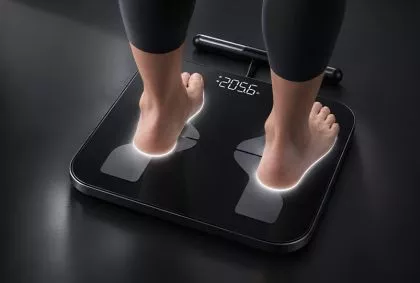
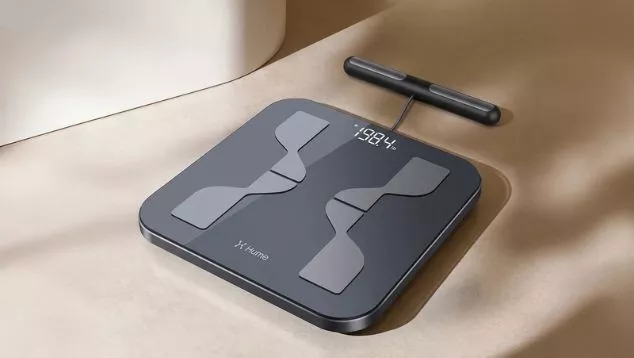
Look for independent validation against DEXA. Hume Health’s Pod 2.0 uses eight sensors and cites a Socotech study placing it within two percent of DEXA for body fat, which reassures skeptical members and sharp-eyed trainers.
Gyms need many profiles. Pod 2.0 supports multiple accounts, though each person logs into their own, and it connects to one phone at a time, so plan your weigh-in flow carefully before your launch day.
Assessments go wrong when they feel like judgment. Frame every scan as a starting line, not a verdict. Weigh members at consistent times, ideally mornings, with consistent hydration, then review trends rather than single readings. Trainers should explain fat, muscle, and water numbers very plainly, celebrate small shifts, and connect each metric to a specific habit, workout, or recovery adjustment.
Baseline Scan First
Capture starting numbers during onboarding, then rescan every two to four weeks for meaningful trends.
Review Together Calmly
Sit beside the member, open the app, and discuss one metric worth improving next month.
Equipment should earn its footprint. Evaluate accuracy, durability, software, support, and total cost across several years, not merely the sticker price. A bargain device that frustrates trainers or confuses members becomes expensive quickly, however attractive its launch-week discount once looked.
Ask Hume Health about warranty length; Pod 2.0 offers one year, with a ten-year option.
Confirm maximum weight capacity so every member fits; Pod 2.0 supports up to 441 pounds.
The most common mistake is inconsistency: different times, different hydration, different staff, different expectations. Another is overwhelming members with Hume Health’s forty-five metrics. Start with body fat, muscle, and visceral fat, then expand gradually as curiosity grows and conversations mature.
Features Worth Prioritizing
Prioritize accuracy, segmental detail, simple software, and durable construction well before mere aesthetics.
The right body composition equipment turns your gym from a place people sweat into a place people learn. Prioritize validated accuracy, segmental insight, simple software, and dependable support. Build assessments around consistency, calm conversation, and gradual metric education. Then compare total ownership costs rather than headline prices. Hume Health offers a trial period, optional extended warranty, and multi-user accounts worth examining if your gym wants clinical-style insight at accessible pricing. Whatever you choose, pilot it with a few trainers first, collect member feedback, and refine your workflow before launching widely. Do that, and every scan becomes a conversation starter, every trend becomes a retention tool, and your members finally stop arguing with the scale about who is actually lying today.